

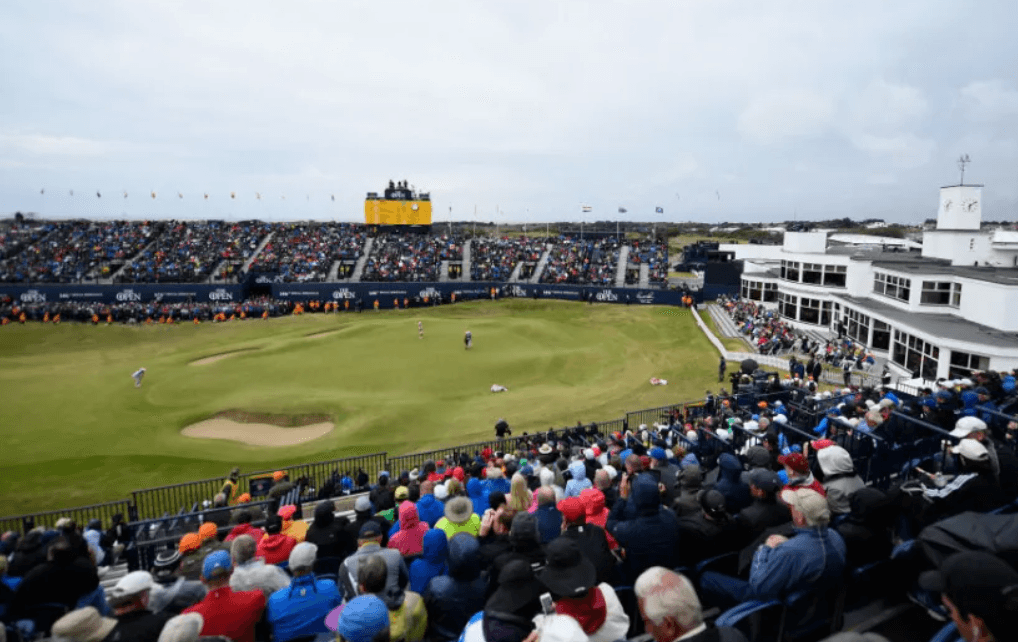
… and Why Royal Birkdale Changes Everything
As many would soon discover when the world’s best golfers make their way to Royal Birkdale Golf Club for this year’s Open Championship, links golf has a funny way of not caring how far you hit it. Links golf asks different questions.
- Can you play the ball low under the wind?
- Will you be able to take punches when a bad bounce goes against you?
- Can you reason your way around a golf course that has been formed more by nature than by architects?
At Royal Birkdale, one of the fairest yet most brutal tee to green Open venues, every shot seems fully presented.
Links golf can seem a little bizarre if you’re used to more lush American parkland courses. Fairways run fast and firm. The ground game is as important a part of the game as air. The pot bunkers are no mere decoration, they are true penalties. The weather is changing by the hour.
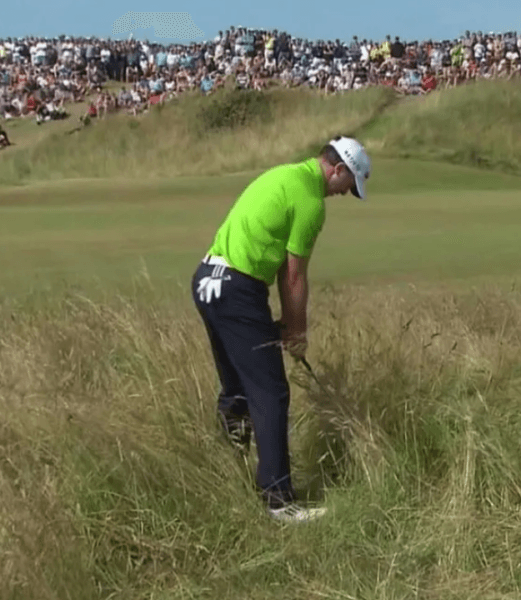
And that unpredictability is what makes The Open Championship the great watch that it always is.
In links golf, more akin to the older style of play that looks for creativity and restraint as opposed to today’s tournaments where players are firing at soft greens with high-perched wedge shots. Players may use a 5-iron from the 150 yards when playing into the wind. They could putt a 40-yard short shot with contours that will feed the ball toward the hole. The sideways shot is not a dumb move sometimes. Then the wind can come into play ruining a perfect swing.
And there is no more beautiful a showcase for this very principle than at Royal Birkdale.
Nestled among rolling sand dunes on England’s Golf Coast near Southport, Birkdale has been home to some of the most memorable moments in Open history. The course feels neat relative to other Open venues, thanks to defined holes and framed fairways. However, that clean look disguises its difficulty. By only a few yards, miss the fairway and players can contend with thick rough, awkward lies or steep-faced bunkers that force players to take their medicine.
The winners here invariably do so with a little something beyond mere raw talent. Even if they are exceptionally successful traders, they exhibit forbearance, self-control and emotional sobriety.
Take, for example, Jordan Spieth’s unbelievable comeback in 2017 when his drive on the par-5 13th hole sailed far to the right into an area behind the course next to vehicles and equipment. Most players would have unraveled. Somehow, however, Spieth went from chaos to genius with one of the all-time great finishing stretches in Open history. That moment epitomized links golf: random, bizarre and quite wonderful.

Links golf can be just as addictive for a lot of golfers visiting the UK for the first time. History feels alive all around — clubhouses of great antiquity, fairways worn nearly into the dirt, dunes buffeted by an ever-green breeze, courses linked to the beginnings of the game. Every bounce tells a story. Each round is a bit different than the one before.
Which is exactly why countless golfers come back time and time again.
The Open Championship is more than a golf tournament next to the sea Is golf at its most simple — strategy, resilience, creativity and nerve. And when those forces collide at Royal Birkdale, it tends to be far more memorable theater.